A Good Brief Can Make Or Break Your Event
As an event planner, knowing how to brief your event structure supplier effectively is essential for a smooth build and a memorable guest experience. The more clearly you communicate your event requirements, the better your supplier can deliver a safe, functional, and visually impactful space. This guide walks you through the key information to include in your brief from the outset. From anticipated guest numbers, site conditions, preferred structure types (stretch tents, pagodas, trusses, curved marquees, etc.), to access and logistics. Having all this in place helps your supplier craft the perfect solution.
Why a Detailed Brief Matters
A detailed brief sets the foundation for success. It allows your event structure supplier to anticipate challenges, suggest practical solutions, and align the build with your event goals. Without clear guidance, even experienced suppliers may need extra time to interpret your vision, which can lead to delays, hidden costs, or compromises on the final outcome.
Understand and Share Your Event Requirements
Event Type & Objectives
Clearly describe the purpose of the space you want to create (e.g., VIP lounge, networking dinner, or product showcase) and the style of the event—formal gala or relaxed outdoor gathering.
- Consider: presentations, catering stations, dance floors, exhibition areas, or chill-out spaces. Sharing this early allows your supplier to plan the layout and structure accordingly.
Attendance & Layout
Provide an expected headcount to help determine guest flow and seating arrangements. As a guide, allow roughly 1.8 m² per seated guest plus space for movement. Include extra room for stages, bars, catering tables, or lounges.
Schedule & Duration
Share firm dates for erection and breakdown, along with setup windows. Include the full timeline and any venue restrictions, so all parties can plan safely and efficiently.
Site Requirements & Branding
Flag any technical needs such as AV equipment, heating, flooring, or furniture. Include brand guidelines, colour schemes, logos, mood boards, or examples of spaces you like. This helps suppliers suggest suitable materials, structures, and designs that align with your brand identity.
Understanding the Site and Practical Constraints
Even the most ambitious event design must fit the realities of your venue. Sharing site details early when you brief your event supplier ensures the structure is safe, compliant, and efficient, while helping avoid delays or unexpected costs.
1. Site Specifics
Even the most ambitious event design must fit the realities of your venue. Sharing site details early when you brief your event supplier ensures the structure is safe, compliant, and efficient, while helping avoid delays or unexpected costs.
2. Access & Set Up Conditions
Explain how equipment and construction teams will reach the site. Can vehicles drive directly to the build area, or is transport over a distance required? Mention any narrow roads, gates, or vehicle restrictions.
Consider ground conditions: soft surfaces may require protection mats or temporary flooring, and large builds might need cranes, forklifts, or other lifting equipment. Include any venue rules such as restricted working hours, noise limits, or security procedures.
3. Permits, Safety & Weather Conditions
Share any permits, licences, fire safety certificates, or venue-specific compliance requirements. Early disclosure allows suppliers to ensure all structures meet regulations.
For outdoor events, discuss weather risks such as wind, rain, or cold temperatures. Your supplier may recommend sidewalls, ballast systems, flooring, or heating to keep the space safe and comfortable.
For additional guidance, here’s another helpful event planning checklist from Eventbrite that covers all the key considerations for a successful event.
Choosing the Right Structure for Your Event
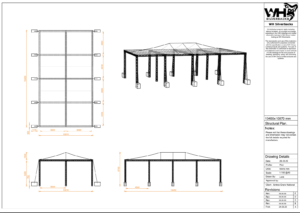
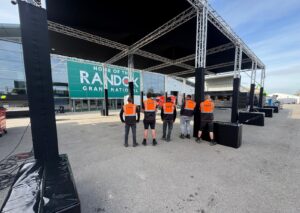
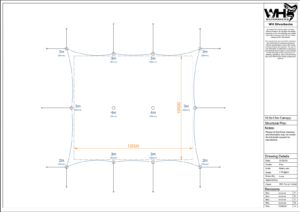
The type of temporary structure will depend on your event goals, site, and desired experience. Even if you’re unsure, an experienced supplier can guide you through options and recommend the most suitable solution.
Common temporary event structures include:
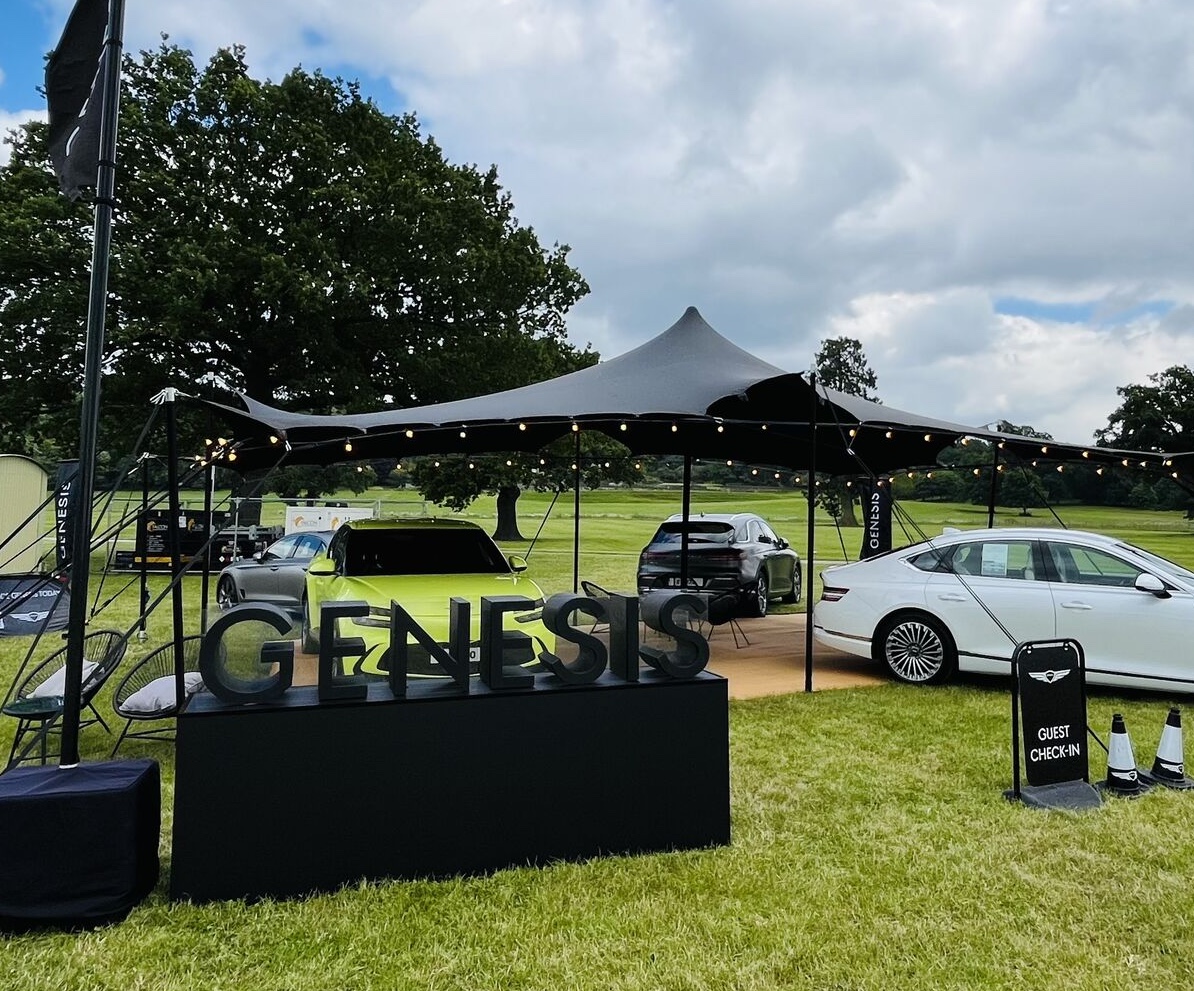
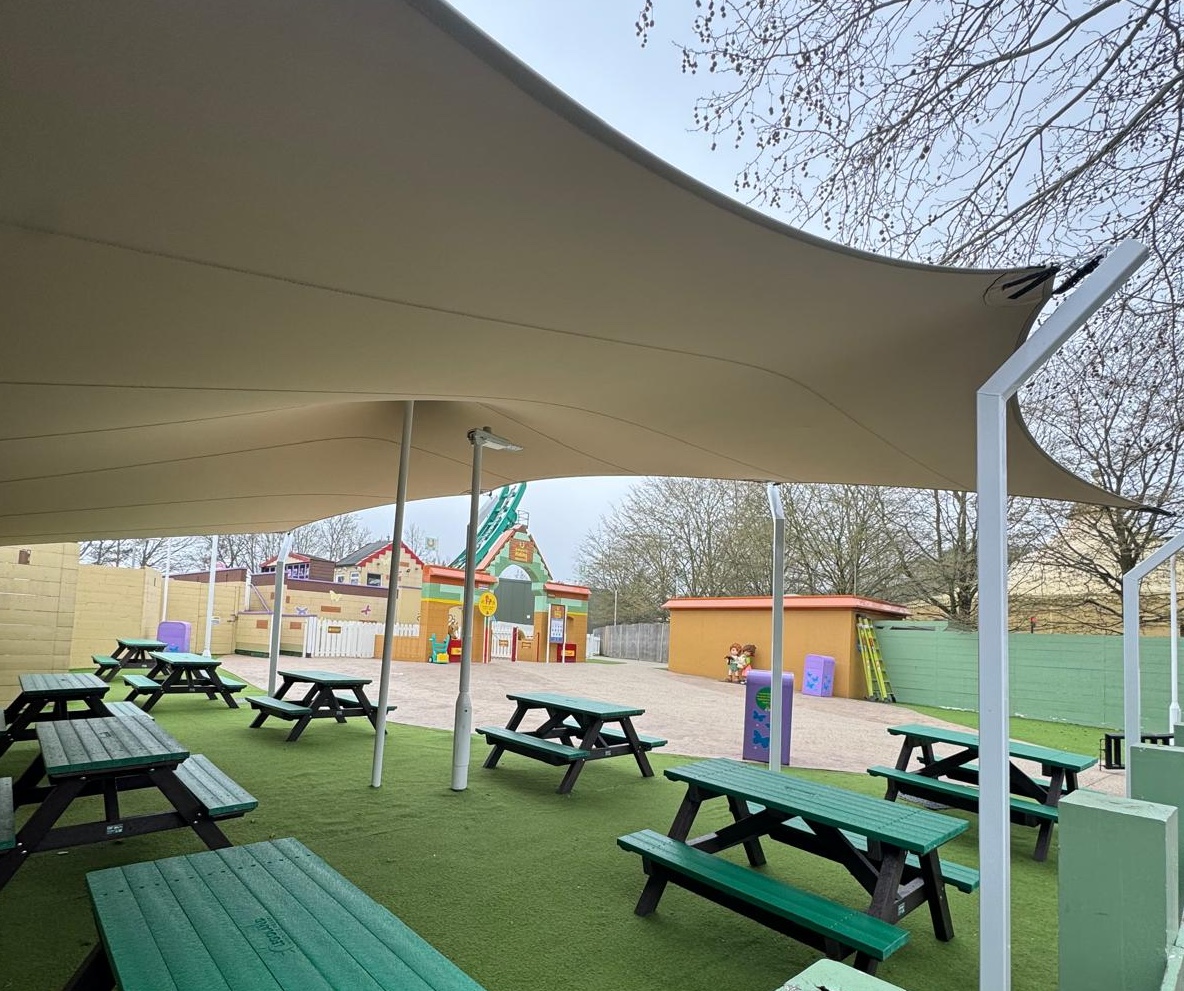
- Stretch Tents: Flexible fabric canopies ideal for uneven or irregular sites. Perfect for creating lounge areas, patios, or organic shapes for relaxed atmospheres.
- Pagoda Tents: Modular tents with peaked roofs and no central poles. Can be combined for large pavilions or used individually for small VIP catering units.
- Truss Structures: Rigid frameworks used for open spaces, lighting, signage, or outdoor exhibitions. Offers a modern industrial aesthetic and full interior accessibility.
- Curved Marquees: Bespoke arched roofs that maximise open space and light, suitable for exhibitions, large celebrations, or roadshows.
Custom or Bespoke Solutions: Suppliers can combine elements, add clear walls, decks, or branding, creating unique structures tailored to your vision.
How to Organise Your Supplier Brief
Once you’ve gathered all the key information, the next step is presenting it clearly. A well-organised brief saves time, reduces back-and-forth questions, and helps your supplier quickly understand your goals.
You don’t need a complicated document; the aim is simply to give a complete picture of the event, the site, and the outcome you’re aiming for. A strong brief should include:
- Event Overview: A short summary of the event, including the name, purpose, audience type, and overall style or atmosphere.
- Key Event Details: Practical information your supplier needs straight away:
- Event dates
- Build and breakdown windows
- Expected guest numbers
- Event schedule (if relevant)
- Site Information: Venue address and any supporting documentation such as site plans, CAD drawings, or photos. Include notes on ground type, slopes, access points, and any physical constraints.
- Requirements for the Event Space: Outline the areas needed for seating, stages, catering, bars, lounges, networking zones, or branding opportunities.
- Technical and Operational Needs: Include any elements that may need support, such as lighting, AV equipment, heating, flooring, or heavy equipment.
- Inspiration and Visual References: Include mood boards, brand guidelines, or photos of events you like to help suppliers understand your vision.
- Budget: Provide guidance on the budget to allow suppliers to plan suitable solutions.
Here’s another nice list from Eventbrite that’s worth a look https://www.eventbrite.co.uk/blog/ultimate-event-planning-checklist-ds00/
Don’t forget, your supplier is a partner, not just a provider. Involve them early so they can suggest ideas, anticipate challenges, and ensure a smooth build. At WH Silverbacks, we typically follow a full brief, discussion, and site visit, then create CAD or 3D plans together.
Give feedback early, keep the supplier updated on changes – guest numbers, schedules, or venue rules – and confirm they understand the final specifications and approvals.
Clear communication turns your supplier into a trusted partner. The result? Fewer surprises, a seamless process, and an event that delivers exactly the impact you envisioned.
Work With Us
Have an event coming up that needs a temporary event structure supplier?
Call us for a no obligation chat and a free quote. We’d love to hear from you.
info@whsilverbacks.co.uk
01202 096957
In the meantime, why not check out some of our latest projects or gallery?